
How Event Planners Can Identify Untapped Opportunities in Event Spaces
Kristen Tarbutton
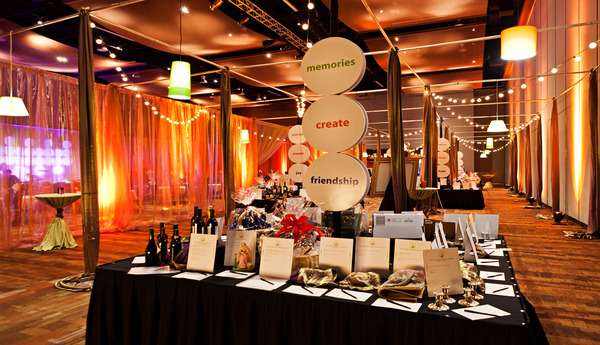
Planning an event often starts with choosing the right venue, but seasoned professionals know that a space on its own doesn’t create an experience — how it’s used does.
A venue is more than just four walls and a stage; it’s part of the experience. Every event space holds possibilities waiting to be uncovered. You might see a ballroom, lobby, or conference room, but with the right perspective, those same spaces can become dynamic areas for networking, interaction, or relaxation.
Learning how event planners can identify untapped opportunities in event spaces involves more than a checklist. It requires observation, creativity, and a willingness to rethink how spaces are traditionally used. When planners approach a venue this way, they move beyond basic logistics and start shaping experiences guests actually remember long after the lights go down.
Understanding the Hidden Potential of Event Spaces
When you first review a venue layout, it’s easy to treat the floor plan as fixed. Tables go here. The stage goes there. Guests sit, listen, and leave.
But great events don’t come from following a layout; they come from reimagining it.
Hallways become conversation zones, foyers serve as registration hubs or sponsor showcases, and outdoor terraces transform into relaxation areas between sessions.
Instead of asking, Where does everything fit?, ask yourself:
- 🔹What experiences can this space support?
- 🔹Where might guests naturally gather?
- 🔹Which areas are currently underused?
These simple questions can reveal untapped possibilities within almost any event space.
Observing How Guests Actually Move
People rarely follow the exact paths planners expect. They pause near coffee stations, linger around windows with natural light, and cluster near charging outlets or comfortable seating.
These behaviors tell you something important: guests are constantly searching for comfort and connection.
Smart planners pay attention to these patterns and design around them:
- 🔹Create casual seating near natural gathering points
- 🔹Add conversation areas in transitional spaces
- 🔹Position refreshment stations where people naturally pause
Small adjustments like these can transform a standard local event space into an environment that feels thoughtful and welcoming.
Practical Ways to Elevate an Event
Every event is an opportunity to improve the guest experience, often through small, intentional choices. The most effective upgrades combine logistical precision with a clear focus on how guests move, interact, and feel within the space.
The following areas are where thoughtful adjustments can make the biggest impact.
Flexible Layouts and Adaptable Spaces
Rigid seating arrangements can limit engagement. Flexible layouts allow you to reshape the environment as the event unfolds.
Consider options such as:
- 🔹Modular seating for breakout discussions
- 🔹Lounge areas for informal networking
- 🔹Open areas for movement between sessions
- 🔹Multi-use spaces that change purpose during the event
For instance, a ballroom inside an event space might begin as a keynote auditorium and transition into breakout zones later in the day.
This type of flexibility allows a single room to turn into several experiences.
Integrating Technology
Technology can help transform how guests interact with both the venue and each other. Even simple tools can add meaningful improvements.
Examples include:
- 🔹Digital signage that helps guests navigate the venue
- 🔹Event apps for scheduling and networking
- 🔹Live polling during presentations
- 🔹Charging stations are placed throughout the venue
When used thoughtfully, technology increases guest engagement rather than distracting from it.
A modern Bellevue, WA event space often provides built-in infrastructure that supports these tools, making integration easier for planners.
Guest Care and Enhancing Guest Comfort
Guests may not remember your centerpieces. They will, however, remember how they felt during an event: whether it was easy to navigate, if there was a comfortable space to sit and talk, or if any details were overlooked.
Improving guest care might include:
- 🔹Clear directional signage
- 🔹Quiet spaces for breaks
- 🔹Comfortable seating arrangements
- 🔹Accessible refreshment areas
- 🔹Friendly staff available to assist attendees
These details may not stand out during planning, but they significantly shape how guests experience the event. Paying attention to comfort and convenience transforms a functional event space into a welcoming environment.
Sustainability in Event Planning
Sustainability isn’t just about optics anymore. It’s part of running a well-executed event, and it doesn’t require massive changes.
Start with simple, high-impact sustainable choices:
- 🔹Digital event materials instead of printed programs
- 🔹Reusable signage and decor
- 🔹Locally sourced food and beverage
- 🔹Recycling stations throughout the venue
- 🔹Reduced single-use plastics
When selecting a local event space, ask about the venue’s sustainability practices. Some venues already support waste reduction programs and energy-efficient operations.
Accessibility and Inclusivity
Accessibility is not just about compliance with regulations; it’s a design mindset. If any guest struggles to fully participate, you may need to evaluate how the space is being used through a broader lens.
Useful questions to consider include:
- 🔹Are entrances easy to navigate?
- 🔹Is seating available for guests with mobility concerns?
- 🔹Are presentations accessible to guests with hearing or visual impairments?
- 🔹Is signage easy to understand?
- 🔹Is there wheelchair accessibility throughout all venue areas?
- 🔹Are there accessible parking and guest drop-off locations?
- 🔹Are there quiet spaces designated for neurodivergent attendees or those with sensory considerations?
- 🔹Are there fully accessible restroom facilities?
Beyond physical access, inclusivity means accounting for cultural backgrounds, dietary needs, and communication styles. Great events don’t just accommodate people; they make them feel considered.
Finding Inspiration in Established Bellevue Event Spaces
Some venues are intentionally designed to accommodate versatile events. Facilities like this offer multiple meeting rooms, open foyers, and adaptable layouts that allow planners to reimagine how events unfold.
When working inside a Bellevue, WA, event space like Meydenbauer Center, planners can take advantage of:
- 🔹Large open spaces suitable for networking
- 🔹Breakout rooms for smaller discussions
- 🔹Flexible seating arrangements
- 🔹Professional audiovisual infrastructure
Rather than using these areas in predictable ways, consider how each room might be used to create a distinct experience for attendees.
Spotting Opportunities Others Miss
Successful planners develop a habit of noticing details others overlook.
You might discover opportunities in places such as:
- 🔹Lobby corners that could host sponsor activations
- 🔹Outdoor areas that are perfect for relaxation breaks
- 🔹Hallways that support interactive displays
- 🔹Quiet rooms for private conversations
When walking through a venue, imagine yourself as a guest.
Ask questions like:
- 🔹Where would I want to pause?
- 🔹Where would I feel comfortable talking?
- 🔹What would make this space more welcoming?
These observations help reveal untapped opportunities within even the most familiar event spaces.
Practical Checklist for Evaluating Event Spaces
Before finalizing your venue layout, review the space using this simple checklist.
Space Assessment Questions
- Are there areas that could support networking?
- Can seating arrangements be adjusted for different sessions?
- Are guests able to easily navigate the venue?
- Is there space for quiet conversations?
- Does the venue support accessibility needs?
- Are there opportunities for sustainability improvements?
- Can technology enhance the guest experience?
Even answering a few of these questions can lead to creative improvements.
Small Details That Make a Big Impact
Sometimes the most memorable parts of an event are surprisingly simple.
Consider incorporating small touches such as:
- 🔹Comfortable lounge seating
- 🔹Natural lighting whenever possible
- 🔹Clearly labeled event schedules
- 🔹Friendly volunteers assisting guests
- 🔹Refreshment areas placed near natural gathering points
These details may seem minor during planning, but they often define how the event feels once guests arrive.
Turning Event Spaces Into Meaningful Experiences
The best planners look beyond traditional layouts and ask deeper questions about how people interact with spaces. They consider guest comfort, accessibility, sustainability, and technology while keeping the overall experience in mind.
Remember that every venue holds possibilities waiting to be discovered. When you approach planning with creativity and awareness, an ordinary venue can become something much more meaningful.
If you’re looking for a Bellevue event space designed to support this level of flexibility and execution, Meydenbauer Center offers venues with adaptable layouts, integrated AV capabilities, and on-site expertise to help bring your vision to life.
Connect with our team to start planning your next event.
Frequently Asked Questions
How can event planners identify unused areas in event spaces?
Start by walking through the venue as a guest would. Notice where people might naturally gather, pause, or relax. These areas often reveal new possibilities for networking or guest comfort.
Why is flexibility important in event spaces?
Flexible layouts and access to multiple rooms allows events to be structured more effectively, with different spaces dedicated to different activities. This makes it easier to run varied programming throughout the day without being limited to a single space or needing constant reconfiguration.
How does technology improve event experiences?
Technology can help guests navigate the venue, connect with other attendees, and participate in presentations. Simple tools like event apps and digital signage can make a big difference.
What role does accessibility play in event planning?
Accessibility ensures that every guest can comfortably participate in the event. This includes physical access, clear communication, and thoughtful seating arrangements.
Why should planners consider sustainability?
Sustainable event practices reduce environmental impact and often appeal to attendees who value responsible planning. Many venues now support waste-reduction and energy-efficiency initiatives.